Finding a cockroach in your Woolwich home or business can be worrying, especially when you are unsure whether it is an isolated sighting or a sign of a larger infestation.
Cockroaches are particularly difficult to control because they can hide in small cracks, cupboards, wall voids, service ducts and areas around sinks, appliances and pipes. They are also mainly active at night, meaning an infestation can develop before you realise how serious the problem has become.
If you are seeing cockroaches regularly, finding droppings or noticing activity around your kitchen or bathroom, professional “cockroach removal in Woolwich” can help identify the source of the infestation and deal with it effectively.
Cockroach Removal in Woolwich: How to Get Rid of Cockroaches
Finding a cockroach in your Woolwich home or business can be worrying, especially when you are unsure whether it is an isolated sighting or a sign of a larger infestation.
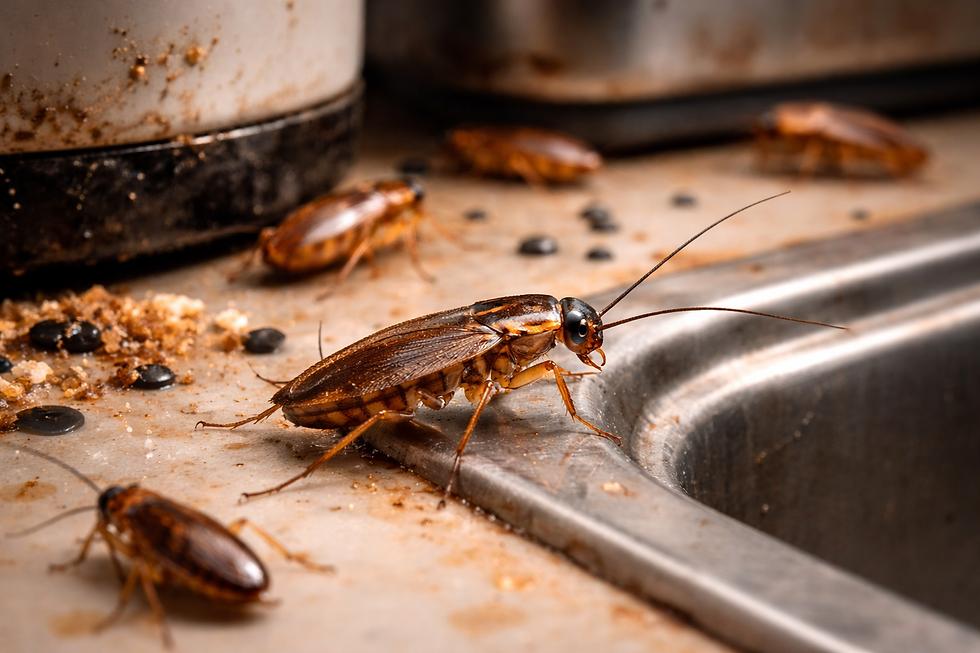
Cockroaches are particularly difficult to control because they can hide in small cracks, cupboards, wall voids, service ducts and areas around sinks, appliances and pipes. They are also mainly active at night, meaning an infestation can develop before you realise how serious the problem has become.
If you are seeing cockroaches regularly, finding droppings or noticing activity around your kitchen or bathroom, professional cockroach removal in Woolwich can help identify the source of the infestation and deal with it effectively.
Why Cockroaches Can Be Difficult to Get Rid Of
Cockroaches are highly adaptable insects. They can survive in warm, damp and hidden areas where food and water are available.
Common hiding places include:
- Behind refrigerators and cookers
- Under kitchen sinks
- Inside cupboards
- Around pipes and drains
- Behind washing machines
- Around boilers and heating equipment
- In cracks and gaps around walls
- Inside service ducts
- Around rubbish and waste areas
British local-authority guidance identifies German and Oriental cockroaches as two of the main cockroach types encountered in the UK. German Cockroaches are commonly associated with warm, humid areas such as kitchens and bathrooms, while Oriental cockroaches are often associated with cooler, damp locations and drains.
This is one reason simply spraying a visible cockroach may not solve the underlying problem.
How Do You Know You Have a Cockroach Infestation?
Seeing one cockroach does not necessarily tell you how large the infestation is.
Look for other signs, including:
1. Cockroach droppings
Cockroach droppings can look like small dark spots or specks, particularly around hiding areas and food sources.
2. Cockroaches at night
Cockroaches are generally more active after dark. If you regularly see them when you enter your kitchen or bathroom at night, this can indicate ongoing activity.
3. Unpleasant or musty smells
A noticeable unpleasant odour can develop when cockroaches are present in larger numbers.
4. Egg cases
Cockroach egg cases can be found around harbourage areas. Finding them is an important indication that cockroaches may be breeding on the property.
5. Cockroaches during the day
Cockroaches tend to hide during daylight hours. Seeing them frequently during the day can be a reason to arrange a professional inspection.
6. Activity around kitchens and bathrooms
Food, moisture and warmth make kitchens and bathrooms particularly attractive environments.
Why Are Cockroaches Commonly Found in Kitchens?
ockroaches need access to food, water and shelter, which makes kitchens one of the most common places for an infestation to develop. If you are experiencing a cockroach problem, professional cockroach removal in Woolwich can help identify where they are hiding and how they are getting into your property.
Even small amounts of food residue can provide a food source. Water around sinks, leaking pipes and damp areas can provide moisture, while gaps behind appliances and inside cupboards can provide shelter. These hidden areas can make cockroach Removal in Woolwich challenging without professional treatment.
UK council guidance recommends keeping surfaces clean, removing food residue, covering bins, cleaning underneath appliances, sealing gaps and fixing leaks to reduce conditions that attract cockroaches.
However, a cockroach infestation is not necessarily caused by poor cleanliness. Cockroaches can enter properties through gaps, pipes, packaging and shared building spaces.
Why Choose Rat Trap Experts for Cockroach Removal in Woolwich?
When choosing a local pest-control company, consider:
- Local knowledge of Woolwich and SE18 properties
- Clear explanation of the treatment process
- Proper identification of the pest
- Targeted treatment rather than unnecessary application
- Advice about preventing future infestations
- Residential and commercial pest-control experience
- Easy local contact and appointment arrangements
The goal should be long-term cockroach control, not simply removing the insects that happen to be visible today.
Cockroach Removal in Woolwich: When Should You Call a Professional?
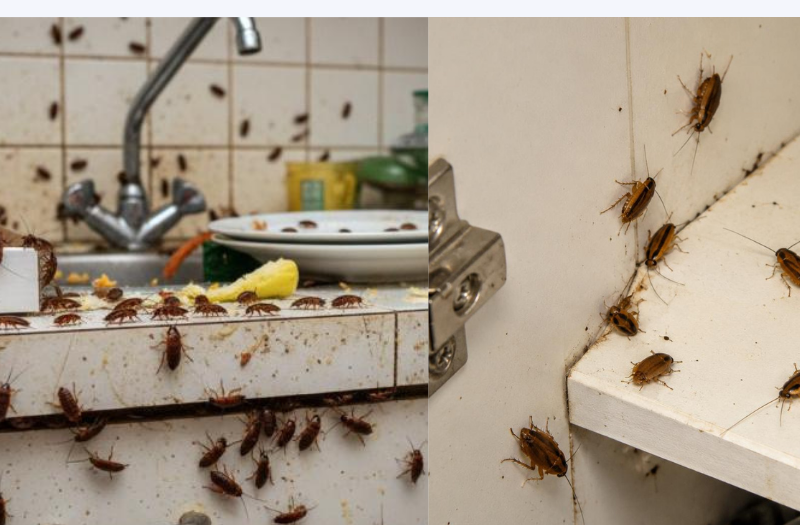
Consider professional help if:
- You have seen cockroaches more than once
- You are finding cockroach droppings
- You have found egg cases
- Cockroaches are appearing in several rooms
- You see cockroaches during daylight
- DIY sprays have not solved the problem
- You live in a flat and suspect the insects are coming from another property
- You operate a food business or commercial premises
The sooner an infestation is properly assessed, the easier it can be to understand its source and control it.Explore Rat Trap Experts’ pest control services for professional cockroach removal in Woolwich.
FAQ: About Cockroach Removal in Woolwich
What is the best way to get rid of cockroaches in Woolwich?
The best approach depends on the species, infestation level and property. Professional inspection followed by targeted treatment and prevention is generally more reliable for an established infestation than simply spraying visible cockroaches.
How much does cockroach removal cost in Woolwich?
The price can vary depending on the property size, infestation level, treatment required and whether follow-up visits are necessary. A professional pest controller should assess the situation before confirming the appropriate treatment and cost.
How quickly can cockroach treatment work?
Some professional treatments can begin affecting cockroach activity relatively quickly, but complete control can take longer, particularly where there is an established infestation. Follow-up treatment or monitoring may be required.
Are cockroaches common in Woolwich?
Cockroaches are among the pests treated by pest-control companies serving Woolwich and SE18. Local providers advertise cockroach treatment alongside other common pests such as rats, mice, bed bugs and wasps.
Where do cockroaches hide?
Cockroaches commonly hide in dark, sheltered areas such as cracks, cupboards, areas around pipes, drains, appliances and other warm or damp spaces.
Can cockroaches come through drains?
Cockroaches can use drainage and service routes as potential pathways, particularly where there are suitable gaps or connected spaces. Sealing access points and addressing plumbing or drainage problems can therefore be part of prevention.
Why do I keep seeing cockroaches after spraying?
Seeing cockroaches after treatment does not necessarily mean the treatment has failed. Cockroaches may emerge from hidden areas after treatment, and established infestations can require monitoring and follow-up work.
Can I get cockroaches in a clean home?
Yes. Cleanliness can reduce food and water sources, but it does not completely prevent cockroaches. They can enter through gaps, packaging, pipes, shared building spaces and other routes.
Are cockroaches dangerous?
Cockroaches can contaminate food and surfaces and are considered an important pest-control concern. UK council guidance notes that cockroaches can be associated with food contamination and recommends appropriate control.
Do I need to leave my home during cockroach treatment?
That depends on the treatment method and the instructions provided by the pest-control technician. Always follow the technician’s safety instructions and the product label requirements.
Does Rat Trap Experts provide cockroach removal in Woolwich?
Yes, Rat Trap Experts is a local pest-control service based at 61 Woolwich New Road, London SE18 6ED. You can contact the business to discuss your cockroach problem and arrange an assessment.
Cockroach Problem in Woolwich? Take Action Early
Cockroaches rarely become easier to manage by simply ignoring them. If you are finding repeated signs of cockroach activity in your Woolwich property, identifying the source and treating the infestation properly is the best starting point.
From Woolwich and Royal Arsenal to nearby SE18 areas, Rat Trap Experts provides professional pest control services including mouse proofing, bee & wasps control, and bed bug removal. Getting professional advice can help identify the pest, locate the source of the problem and recommend the right treatment to prevent it from returning. See our latest pest control projects and results on Instagram.
Call now for Immediate Service on +44 7405 971300 for fast, reliable, and professional cockroach removal in Woolwich.